


Start With One Method, Not Five
The biggest mistake people make is trying to be perfect from day one. They’ll get a fancy budgeting app, a spreadsheet, a notebook, and a voice recorder all at once. Then none of them get used because it’s overwhelming.
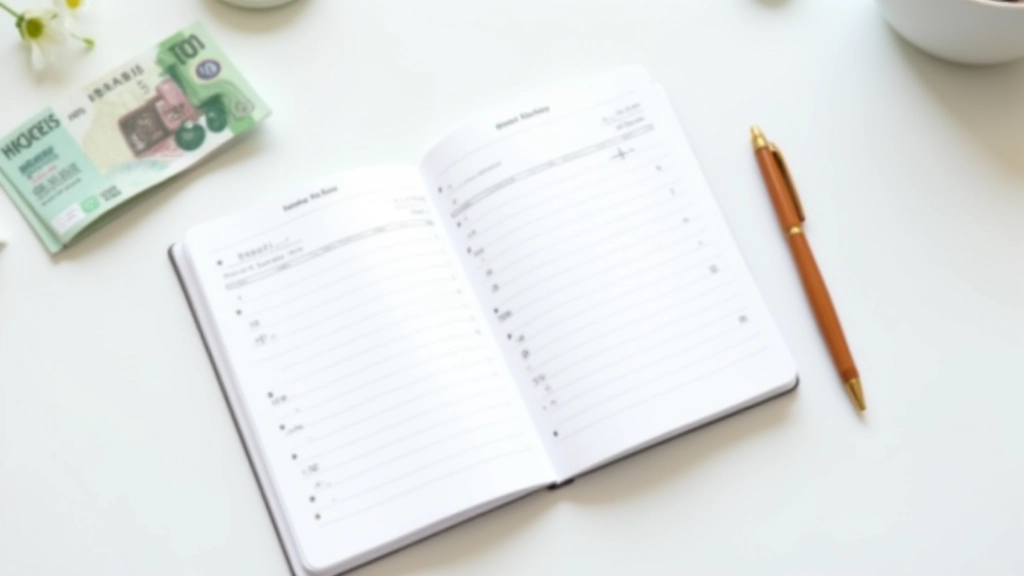
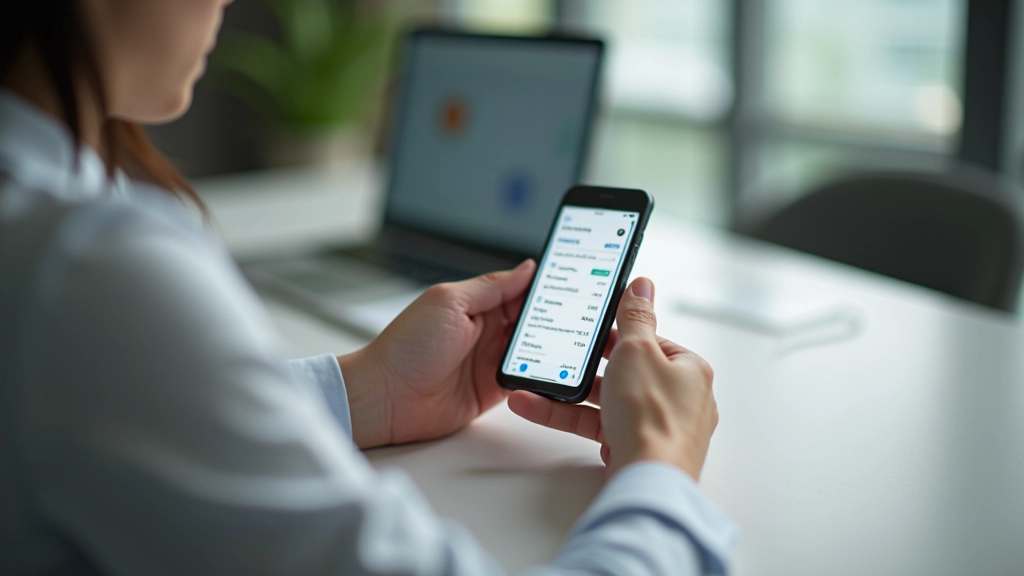
Pick one method. Just one. A small notebook. Your phone notes app. A simple spreadsheet with three columns: date, category, amount. That’s literally all you need to start. The tool doesn’t matter — consistency does. You’ll notice real changes within 14 days of daily logging. That’s not magical thinking. That’s what happens when you actually see your spending habits in front of you.
Hong Kong residents often find that pen-and-paper works best. There’s something about physically writing down “coffee HK$35” that makes it stick in your mind differently than tapping a phone. But if you’re more of a digital person, a simple spreadsheet or note app works equally well.
Three Categories Are Enough to Start
Don’t overthink the categories. Most people fail at tracking because they create 15 categories and spend more time organizing than tracking. Start with three broad ones instead: essentials, discretionary, and irregular.
Essentials cover rent, utilities, groceries, transport — things you need to survive. Discretionary is dining out, entertainment, shopping. Irregular includes annual insurance, car repairs, medical visits. That’s it. You can get more detailed later if you want, but this foundation works for understanding where your money goes.
After two weeks, you’ll see patterns. Most Hong Kong residents discover that discretionary spending is higher than they thought. The weekend dim sum trips, the late-night food delivery orders, the spontaneous shopping online — they add up to hundreds each month. Knowing that doesn’t mean you have to cut it all. It just means you’re making conscious choices instead of surprised ones.
Important Note: This article provides educational information about personal expense tracking. It’s not financial advice. Your specific situation might need a different approach based on your income, location, and goals. We’re sharing what works for many people, but everyone’s circumstances are different. Consider your personal situation when applying these methods.
The Two-Week Challenge Actually Works
Consistency isn’t built overnight. But two weeks? That’s achievable. It’s the sweet spot where tracking becomes habit without feeling like a chore.
Here’s what happens in those 14 days. Days 1-3 feel tedious. You’ll probably forget to log something and feel annoyed. Days 4-7 get easier — you’re starting to remember before you spend. Days 8-14 is when it clicks. You catch yourself thinking “should I buy this?” because you’re already aware of your spending. That awareness is the real win.
The goal isn’t to judge yourself. It’s to see clearly. A Hong Kong household spending HK$300 per week on takeout isn’t bad or good — it’s just information. Once you see it, you can decide if that aligns with your priorities. Maybe it does and that’s fine. Maybe you’d rather cook at home and redirect that money elsewhere. But you can’t make that choice without the data.


Making It Stick: Small Systems Win
After the two-week challenge, how do you keep the habit going? Small systems work better than willpower. Link tracking to something you already do. Log expenses right after you get your receipt. Update your spreadsheet every Sunday evening. Set a phone reminder for 8pm to log the day’s spending.
You don’t need to track forever at this level of detail. Many people find that after a month or two, they stop tracking and rely on bank statements instead. That’s fine. The real benefit happened in those first weeks when you learned about your patterns. That knowledge stays with you.
In Hong Kong especially, where spending can happen quickly across multiple platforms — credit cards, octopus cards, cash, digital wallets — a simple system that captures everything works better than a complicated app that only tracks one method. The best system is the one you’ll actually use consistently.
Start Today, Not Monday
You don’t need to wait for the perfect moment or the perfect system. Grab a notebook or open your notes app right now. Write down what you’ve spent today. That’s it. Tomorrow, do the same thing. By day 14, you’ll understand your spending better than you have in years.
The consistency comes from starting small and showing up daily. Not from having fancy tools or a complex system. Just a pen and paper, or a few notes on your phone. The patterns will reveal themselves. The awareness will follow. And from there, you can make real choices about your money.