
Practical Cost-Cutting Tips That Actually Stick
Forget extreme budgeting. These are real strategies Hong Kong residents use to save 10-20% without feeling deprived.

Saving money doesn’t mean living like a monk. It’s about being intentional with what you spend. Hong Kong’s cost of living is real — rent alone can swallow half your salary. But there’s a middle ground between deprivation and spending recklessly.
The strategies that actually work are the ones you’ll stick with. That’s why we’re sharing the techniques that real people in Hong Kong have used to cut 10-20% from their budgets without feeling miserable. No gimmicks. Just practical habits.
Start Where the Money Actually Goes
You can’t cut spending if you don’t know where it’s going. Most people vastly underestimate their daily expenses — coffee, lunch, ride-sharing. These small amounts add up to hundreds each month.
Track everything for one week. Not forever, just seven days. Write it down or use an app — whatever you’ll actually do. You’ll spot patterns immediately. People are often shocked to discover they’re spending 1,500 HKD monthly on food delivery alone.
Once you’ve tracked, identify your biggest three categories. Usually it’s housing, food, and transport. Focus cuts there first. A 10% reduction in food spending saves 500+ HKD monthly. That’s real money.


The Grocery Game That Works
Groceries are the one area where you have real control. Restaurant meals? That’s about habit and convenience. But what you buy at the supermarket is a choice you make 2-3 times per week.
Here’s what actually saves money: Plan 5-6 meals before you shop. Write them down. Then build your shopping list from those meals, not the other way around. Buy staples in bulk — rice, oil, seasonings, frozen vegetables. These have longer shelf lives and cost half as much per serving.
Skip the premium brands. Generic versions are identical products with different packaging. You’re paying 30-40% more for a label. Hong Kong’s supermarkets have excellent house brands that are genuinely good quality.
One more thing — shop alone and after eating. Hunger and company both lead to impulse purchases. A simple trick that saves 200-300 HKD per month for most people.
Important Note
The information in this article is educational and informational in nature. Individual circumstances vary, and what works for one person may not work for another. These strategies are based on common practices but should be adapted to your specific situation. Consider consulting with a financial advisor for personalized guidance on your budget and spending habits.
Subscriptions Are Silent Money Drains
Streaming services. Gym memberships. Apps. Cloud storage. They’re all small monthly charges that feel manageable. But 15 subscriptions at 50 HKD each? That’s 750 HKD gone before you notice.
Go through your credit card statements right now. List every recurring charge. You’ll probably find subscriptions you forgot about entirely. Cancel those immediately. For the ones you use, ask yourself: Would I pay for this if it was 200 HKD upfront? If the answer is no, it goes.
Shared accounts work brilliantly. Split a streaming service with family or friends. Same access, a quarter of the cost. Most services allow multiple users anyway.

Transport: The Daily Decision
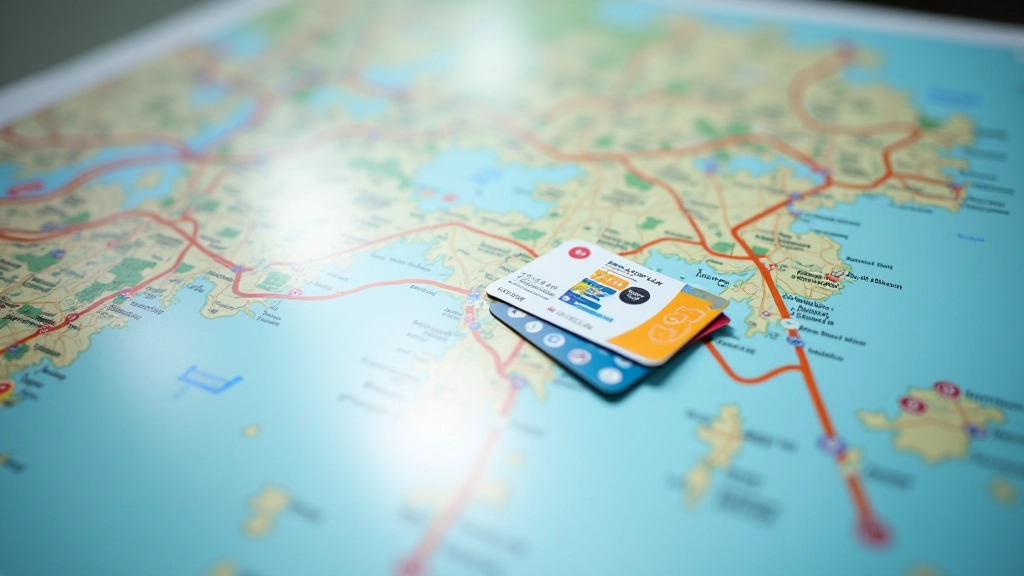
Every ride-sharing app trip costs 40-80 HKD. Taking the MTR costs 5-10 HKD. The difference is staggering. If you’re commuting to work, switching from taxis to MTR saves 1,000+ HKD monthly. That’s real savings without any sacrifice — the MTR is often faster anyway.
For leisure trips, combine transport. Walk to a nearby MTR station instead of taking a taxi there. Bundle errands into one trip rather than three. Plan routes before you leave so you’re not backtracking.
If you own a car, consider whether you’re really using it. Parking in Hong Kong is expensive. Fuel adds up. Insurance is significant. Many people would save 3,000+ HKD monthly by selling their car and using public transport instead.
Small Wins Add Up Fast
You don’t need to overhaul your entire life to save money. The people who succeed with budgeting aren’t the ones who make drastic changes. They’re the ones who make small adjustments that stick.
Pick one area from this guide. Master it for a month. Then add another. Within three months, you’ll have fundamentally changed your spending habits. And here’s the thing — once you build these habits, they’re effortless. You’ll stop thinking about them and just do them naturally.
Start tracking this week. Identify your biggest spending category. Make one change. See what happens. That’s all you need to begin.